
Highlights for Grey Coverage That Look Natural
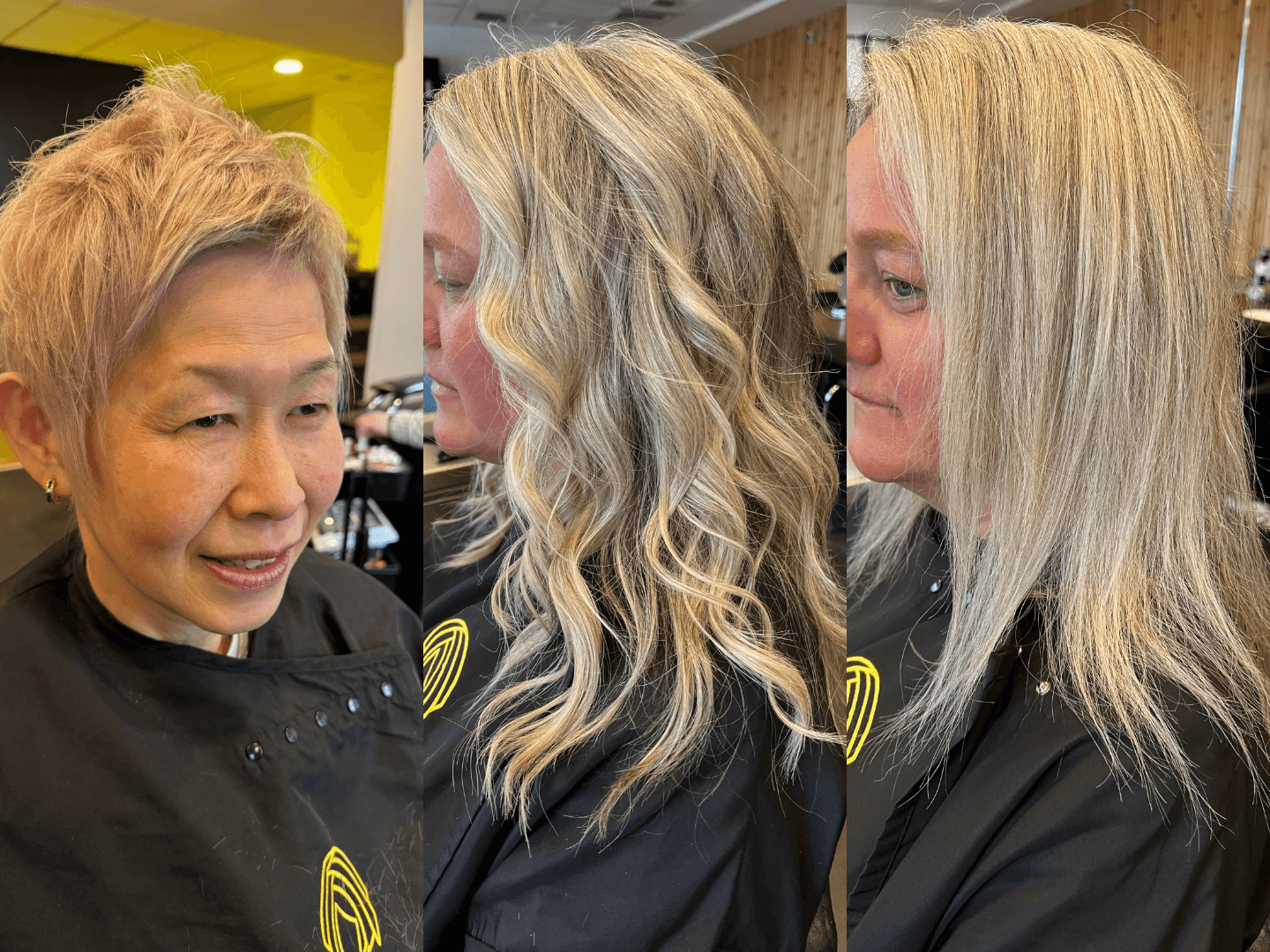
The first silver strands can feel surprisingly visible at the parting, temples and hairline - even when the rest of your colour still looks fresh. Highlights for grey coverage offer a softer alternative to a single, all-over colour, blending lighter pieces through the hair so new growth is less obvious and the finished look has movement, brightness and dimension.
For many clients, the goal is not to hide every grey hair at all costs. It is to feel polished, like themselves and confident between salon visits. The right approach depends on how much grey you have, your natural base, previous colour and how much maintenance suits your routine.
Why highlights work for grey coverage
Grey hair reflects light differently from pigmented hair, which is why it can appear more noticeable against a darker natural shade. Carefully placed highlights break up that contrast. Instead of creating one block of colour from root to end, your stylist introduces lighter ribbons that sit alongside the grey and make regrowth appear more blended.
This is particularly flattering when grey is appearing in a scattered pattern. Fine highlights can mimic that natural variation, creating a result that feels intentional rather than like a line of colour followed by a line of roots. As the hair grows, the transition is usually gentler than with a traditional root tint.
There is a trade-off, though. Highlights do not always give full coverage. If you want every grey hair completely concealed, particularly at the front, a root colour or a combination service may be a better fit. A good colour consultation is about choosing the result that works for your hair and your life, not simply choosing the strongest possible coverage.
Highlights for grey coverage: choosing the right technique
There is no one highlight pattern that suits everyone. Placement, tone and the amount of lightness all make a difference, especially around the areas where you notice grey most.
Fine highlights for a soft blend
Fine, closely woven highlights are often the best choice for early to moderate grey. They create a delicate mix of lighter and deeper tones, helping silver strands disappear into the overall colour. This can be a lovely option if you usually wear your hair blonde, light brown or softly dimensional brunette.
Your stylist may place a little extra brightness around the face and along your parting, where grey often shows first. The result should look natural as your hair moves, rather than striped or overly uniform.
Babylights for a subtle, natural finish
Babylights are ultra-fine highlights designed to imitate the gentle brightness found in naturally sun-lightened hair. They are ideal when you want to keep your colour close to your own but soften the contrast of grey without making a dramatic change.
Because the sections are so fine, this service can take time. That extra detail is what creates a soft grow-out, so it is worth allowing enough time in the chair for precise application and careful toning.
Balayage for lower-maintenance blending
Balayage can be a beautiful option when grey is more concentrated through the lengths or around the hairline, and you prefer a lived-in finish. The colour is painted to create a gradual lift, usually with depth left nearer the roots. It gives a relaxed, expensive-looking result and can make regrowth feel less demanding.
However, balayage is not always the answer for clients who want to disguise a strong band of grey at the root. In that case, adding fine foils through the top or a root blend can provide more effective coverage while keeping the balayage softness through the ends.
Foil highlights for more visible grey
Foils allow for controlled lift right from the root, making them useful when the grey percentage is higher or concentrated in particular sections. They can create more coverage than freehand lightening while still preserving dimension. A full head is not automatically necessary - partial highlights placed through the crown, hairline and parting may be enough.
The best choice comes down to contrast. Dark hair with bright silver roots usually needs more strategic placement than light hair with a soft scattering of grey. Your colourist will assess this in person and talk through how noticeable you would like your grey to be as it grows in.
When a root colour and highlights work better together
A combination service is often the sweet spot for clients who have a larger amount of grey but still want the texture and brightness that highlights bring. The root colour provides dependable coverage where it is needed, while highlights stop the final shade looking flat, solid or overly dark.
This can be especially useful for brunettes who have begun to see a more defined grey line. A root tint can cover the most resistant hairs around the temples and front hairline, then highlights add lightness through the top and lengths. The grow-out remains softer than a single-process colour alone.
Your stylist may also suggest a demi-permanent root blend rather than permanent colour, depending on your hair history and desired upkeep. Demi-permanent colour generally fades more softly and can add shine, but it may not cover resistant grey as fully. Permanent colour offers stronger coverage, yet usually creates a clearer regrowth line. Neither is automatically better - it depends on the finish you want and how often you want to return.
The shade matters as much as the placement
Going too light too quickly is a common mistake when trying to blend grey. Bleaching hair beyond what it can comfortably manage can leave it feeling dry, fragile or unable to hold a beautiful tone. Healthy, glossy hair will always make colour look more expensive.
A well-chosen toner is essential after lightening. Creamy beige, soft champagne, cool ash, honey or neutral caramel tones can all work beautifully, but the right choice should complement your skin tone, natural base and the existing warmth in your hair. Very ashy shades can sometimes look dull against naturally warm hair, while overly golden tones may make silver strands appear more obvious. This is where technical colour expertise makes a real difference.
If your hair has been coloured dark, contains old box dye or has uneven bands, be honest at your consultation. Colour correction may be needed before a lighter grey-blending look is realistic. It is better to create a careful plan that protects your hair condition than promise a one-appointment transformation that will not wear well.
Looking after highlighted hair between appointments
Lightened hair needs thoughtful aftercare, particularly when grey blending involves regular foils or brightening around the face. Use professional shampoo and conditioner recommended for your colour, and include a nourishing treatment when your hair feels dry. Heat protection is non-negotiable if you blow-dry, straighten or curl often.
Purple shampoo can be helpful for keeping very light blonde or silver-toned pieces fresh, but it is not an everyday fix for everyone. Used too often, it can leave some hair looking flat or slightly lilac. Start gradually and ask your stylist how often your particular shade needs it.
Toners naturally fade, especially with frequent washing, heat styling and holidays in strong sun. A gloss or toner refresh between highlighting appointments can bring back shine and keep brassiness at bay without repeatedly lightening the hair. Regular trims also help the ends look healthy, so your colour remains the focus.
How often will you need maintenance?
Most clients with highlights for grey coverage enjoy a freshening appointment every eight to 12 weeks, although this varies. Fine highlights and balayage can often stretch longer because the grow-out is deliberately soft. If you combine highlights with a root tint, you may prefer a root appointment every four to six weeks and a highlighting service less often.
Your haircut, styling habits and confidence with visible grey all influence the right schedule. There is no prize for waiting as long as possible, and there is no need to maintain colour more often than feels worthwhile. The ideal routine gives you hair you enjoy seeing in the mirror and keeps its condition looking its best.
At Kroma Hair and Beauty, a personalised consultation and patch test help make sure your colour plan is safe, realistic and tailored to you. Bring along a few inspiration pictures if you have them, but stay open to expert advice about what will flatter your natural beauty and work with your hair history.
A few silver strands do not mean you have to choose between high-maintenance colour and simply giving up on your look. With thoughtful placement, the right tone and a routine that suits you, grey can become part of a beautiful, modern colour story - one that lets you feel like your best self every day.