
Colour Correction Specialist Glasgow: What to Expect
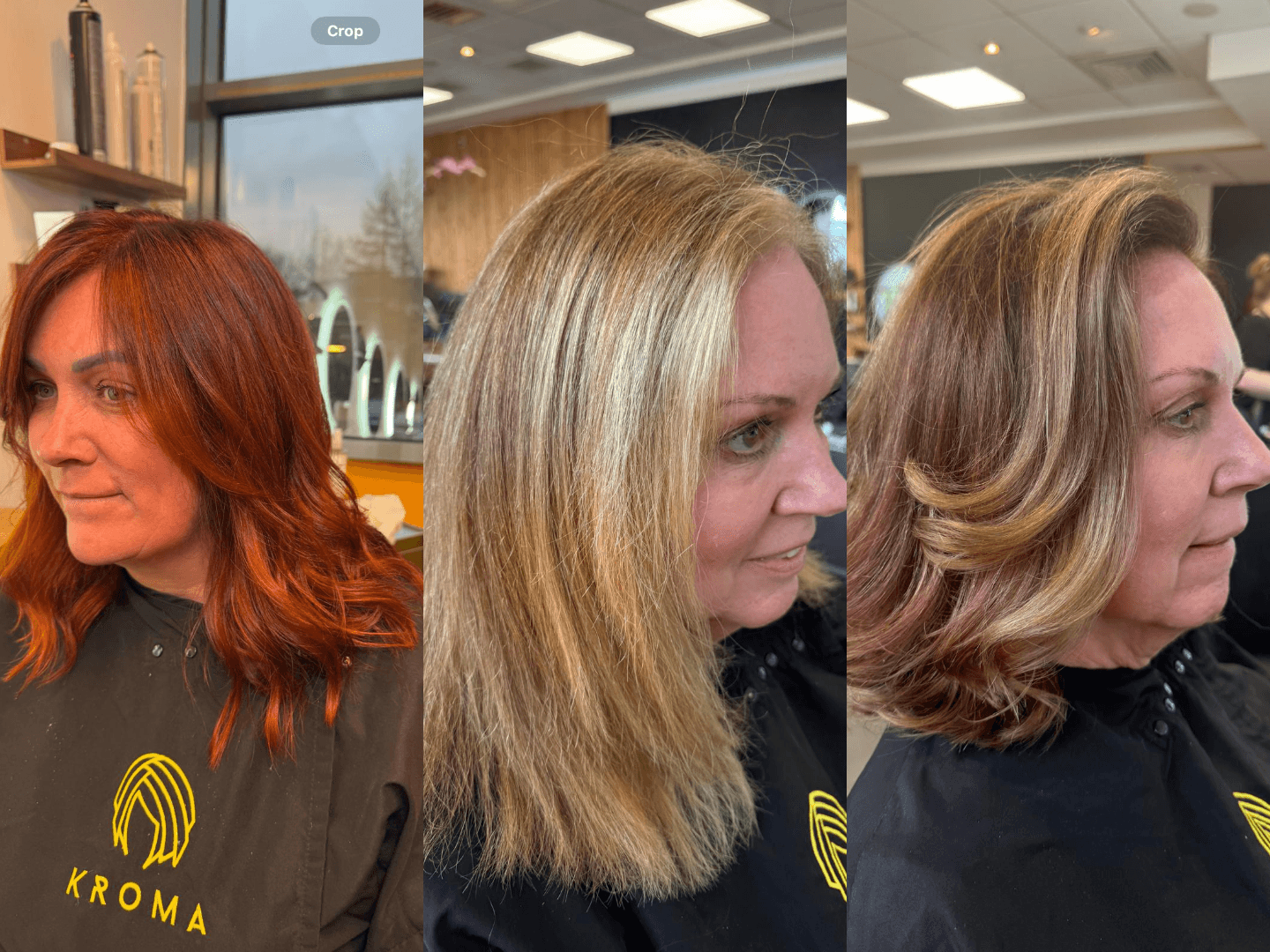
A box dye that turned warmer than expected. Highlights that have grown out with a harsh line. Bleach that has left your hair feeling dry, uneven or simply unlike you. A colour correction specialist Glasgow clients can rely on does not rush to cover the problem. They start by understanding what has happened to your hair, what result you would love, and what your hair can safely manage.
Colour correction is one of the most technical services in the salon, but it should never feel intimidating. With the right plan, clear advice and a little patience where it is needed, it can be the beginning of a look that feels polished, natural and completely yours.
What does a colour correction specialist do?
Colour correction is the process of adjusting unwanted tones, uneven colour, banding, over-processed sections or an unsuitable previous colour result. It can range from a relatively simple toner and gloss to a more involved programme of careful lightening, colour removal, re-colouring and conditioning treatments.
The aim is not always to take your hair straight back to its original shade in one appointment. Often, the best result comes from creating a beautiful, wearable colour now while protecting the condition of your hair for the next stage. That might mean softening orange tones, blending old highlights into a more natural balayage, or moving gradually from very dark colour towards a lighter finish.
A specialist considers the full picture: your natural base, your colour history, porosity, previous bleach, hair density and the products you use at home. Two heads of hair can look similar at first glance but react very differently to colour. This is why a tailored approach matters.
Why a consultation comes first
Before any technical colour service, an honest consultation is essential. Bring photos of colours you love, but also be open about every colour process your hair has had - including home colour, toner, henna, metallic salts, bleaching, smoothing treatments and extensions. The more detail your stylist has, the safer and more accurate the plan can be.
Your stylist will assess your hair in person and talk through the finish you are hoping for. They may explain that your inspiration photo will need adapting to suit your starting point, skin tone, lifestyle or hair condition. That is not a compromise in service. It is professional expertise that protects your hair and helps your new shade look believable on you.
A patch test is also required before many colour appointments. This is a simple but vital safety step, checking for sensitivity to colour ingredients. If you are new to the salon, have changed colour brand, have had a reaction before or have not coloured your hair for some time, allow enough time for this before booking your main appointment.
Expect a realistic colour plan
The most flattering corrections are planned rather than promised. A colourist may be able to achieve your goal in one sitting, particularly when correcting brassiness, refreshing faded tones or blending mild unevenness. More complex work, such as removing years of dark box dye or repairing uneven bleach, can take more than one appointment.
There are good reasons for this. Pushing hair too far in a single session can lead to breakage, excessive dryness and unpredictable colour. Taking a phased approach gives your hair time to recover, lets your stylist refine the tone at each visit and often creates a more expensive-looking result in the long run.
Common colour corrections and how they work
Brassy blonde is one of the most common concerns. Yellow, gold or orange tones can appear when hair has not lifted evenly, when a previous toner has faded, or when minerals and everyday styling affect the colour. Depending on the cause, a toner, gloss, carefully placed highlights or a root blend may restore a cooler, creamier or softer blonde without unnecessary lightening.
Banding happens when colour has been applied repeatedly over new growth or when old highlights meet a darker root area. The hair can show obvious horizontal stripes rather than a gentle transition. A colourist may use fine foils, lowlights, root melting or freehand painting to blur those lines. The right method depends on whether you want a brighter blonde, a lived-in balayage or a return to a richer all-over shade.
Uneven bleach needs particularly careful handling. Some areas may be pale yellow, while others remain orange or have become fragile. Rather than applying more bleach everywhere, a specialist isolates the darker areas and protects the lighter, more vulnerable pieces. It takes precision, but it is a much kinder route for your hair.
Correcting overly dark colour is also a gradual process. Artificial pigment does not simply lift out like natural hair colour, especially if it has been layered over time. Colour removal or gentle lightening may be followed by warm transitional tones before you can safely reach a lighter brown, caramel or blonde. The in-between stage can still be gorgeous when it is chosen with purpose.
Hair health is part of the result
A beautiful colour is only truly successful when the hair still feels good to wear. During a correction, your stylist may recommend a bond-building or moisture-focused treatment, a trim for stressed ends, or a more manageable finish that works with your current condition.
At Kroma Hair and Beauty, technical colour is approached with this long-term view. A personalised service means considering not just the result when you leave the chair, but how the colour will fade, how it will work with your usual styling routine and what you need to do between appointments to keep it looking its best.
This can mean choosing a softer root, keeping some depth through the hair, or selecting a warmer blonde than the icy tone you first had in mind. High-maintenance colour can be worth it if you love the look and are happy to visit regularly. If you need something lower maintenance, a blended balayage, dimensional brunette or subtle face-framing brightness may give you more time between appointments without losing impact.
Preparing for your colour correction appointment
Arrive with clean, dry hair unless your stylist has advised otherwise, and avoid using heavy temporary colour sprays or root cover-up products beforehand. They can make it harder to see your true starting point. Wear something comfortable, as a detailed correction can take longer than a standard colour appointment.
It is also wise to plan your diary around the service. If your hair needs several stages, booking the next appointment at the salon can help maintain momentum and protect the work already done. Avoid leaving a complex correction until the day before a wedding, holiday or major event. Give yourself breathing room in case the safest route takes more time than expected.
Most importantly, trust the consultation. A great colourist will be enthusiastic about your goal, but they will also be clear about limitations, maintenance and aftercare. That honesty is what separates a quick fix from a colour result you can enjoy with confidence.
Choosing a colour correction specialist in Glasgow
When choosing a salon, look for clear consultation processes, patch testing and stylists with proven technical colour training. You should feel comfortable asking questions about the plan, likely timing, home care and the level of upkeep your new shade will require.
It can also help to choose a stylist whose work and approach suit the finish you want. Some clients want a bright, statement blonde; others want a low-maintenance correction that looks soft as it grows out. The best appointment is not about following a trend exactly. It is about creating colour that makes you look and feel fabulous, while respecting the health of your hair.
If your colour has not gone to plan, do not panic or keep adding more products at home to solve it. Book a consultation, share your full hair history and let a professional create a calm, considered route forward. Your next colour appointment can be the point where your hair starts feeling like your best self again.